Journal · 29 September 2026 · 9 min read
Gadwal Silk Sarees Buying Guide: Designs, Weaves and Care
Gadwal silk sarees are known for their traditional weaving, beautiful colour combinations and detailed borders. Originating from Telangana, these sarees have become a popular choice for weddings, festivals, family celebrations and other special occasions.
Whether you prefer a simple traditional look or a saree with rich zari work, Gadwal sarees offer a wide range of designs. However, choosing the right saree requires some understanding of its fabric, weaving techniques, patterns and quality.
This buying guide explains everything you should know before purchasing a Gadwal silk saree, including popular designs, traditional weaving methods, shopping tips and care instructions.
What Makes Gadwal Silk Sarees Special?
Gadwal sarees originate from the town of Gadwal in Telangana. Their traditional construction combines a cotton body with silk borders and a silk pallu, although pure silk varieties are also available.
One of their most distinctive features is the interlocking weaving technique called Kupadam, which joins the different sections of the saree. Traditional designs are often inspired by temple architecture, flowers and geometric patterns.
Several features make these sarees popular among traditional saree lovers:
-
Traditional weaving: Their distinctive construction reflects generations of Indian handloom craftsmanship.
-
Beautiful borders: Contrasting silk borders and decorative zari work create an attractive appearance.
-
Comfortable fabrics: Cotton-silk varieties combine the comfort of cotton with the appearance of silk.
-
Versatile designs: Simple patterns and richly decorated varieties suit different occasions.
-
Cultural heritage: Traditional Gadwal weaving represents an important part of India's textile heritage.
Understanding these features can help you select a saree that matches your personal style and requirements.
Popular Designs of Gadwal Silk Sarees
Gadwal silk sarees are available in different colours, patterns and border styles. Your choice will depend on the occasion, your styling preferences and the type of fabric you prefer.
1. Traditional Gadwal Silk Sarees
Traditional Gadwal designs commonly feature contrasting borders, decorative pallus and classic colour combinations.
Red, green, yellow, purple and maroon are popular choices for traditional Indian celebrations. Many designs include gold or silver zari detailing that complements the main fabric.
These sarees work particularly well with traditional gold jewellery and matching silk blouses.
2. Gadwal Silk Sarees With Zari Borders
Zari borders are a popular feature of Gadwal silk sarees. They add decorative detail to the saree and help create a more festive appearance.
Some designs feature narrow borders with subtle patterns, while others have broad borders with detailed zari work.
A Gadwal silk saree with a richly decorated border can be an attractive option for wedding ceremonies, religious functions and festive celebrations.
3. Temple Border Gadwal Sarees
Temple-inspired borders are closely associated with traditional Gadwal weaving.
These designs often feature geometric shapes and patterns inspired by South Indian temple architecture.
A temple-border Gadwal saree is particularly suitable for anyone who appreciates traditional Indian textiles and heritage-inspired clothing.
4. Lightweight Gadwal Sarees
Not every traditional saree needs to have heavy zari work or elaborate patterns.
Lightweight Gadwal sarees with simple designs and smaller borders are suitable for people who prefer a comfortable traditional outfit.
Cotton-silk varieties can be particularly appealing for daytime celebrations, family gatherings and cultural events.
Understanding the Traditional Gadwal Weaving Technique
The weaving technique is one of the most interesting features of a traditional Gadwal saree.
Traditional Gadwal weaving involves joining the body, borders and pallu through special interlocking methods.
The body is commonly woven using cotton yarn, while silk yarn is used for the borders and pallu. Skilled weavers use interlocking techniques to join the different sections during weaving rather than simply stitching them together.
What Is Kupadam Weaving?
Kupadam is the traditional interlocking technique used to create Gadwal sarees.
It allows weavers to combine different fabrics, colours and decorative patterns within a single saree.
This technique requires skill and attention to detail, particularly when joining contrasting sections.
When shopping for a traditional handloom Gadwal saree, understanding this weaving method can help you appreciate its craftsmanship.
Pure Silk vs Cotton-Silk Gadwal Sarees
Before purchasing a Gadwal saree online, it is important to understand the difference between pure silk and cotton-silk varieties.
Pure silk Gadwal sarees
These sarees have a silk body and are often selected for their rich appearance. They are suitable for weddings, festive occasions and other celebrations.
Cotton-silk Gadwal sarees
Traditional cotton-silk Gadwal sarees generally have a cotton body combined with silk borders and a silk pallu.
They offer a different texture and drape from pure silk varieties, making them appealing to buyers who prefer the feel of cotton.
Always check the fabric composition before purchasing, as the term Gadwal saree does not automatically mean the entire saree is made from pure silk.
How to Choose the Right Gadwal Silk Saree
Choosing the right saree becomes easier when you understand the most important factors that influence its appearance, comfort and quality.
1. Select the Right Fabric
Start by deciding whether you want a pure silk or cotton-silk saree.
Pure silk varieties are a popular option for special occasions, while cotton-silk designs may be more suitable for buyers who prefer a different texture and feel.
Read the product description carefully to understand the materials used in the saree.
2. Choose a Design Based on the Occasion
The occasion is an important factor when selecting a Gadwal silk saree.
For weddings, consider rich colours, broad zari borders and decorative pallus.
For festive occasions, traditional colour combinations and temple-inspired patterns can create an attractive appearance.
For smaller family gatherings, choose simple patterns and lighter designs that match your personal style.
3. Check the Border and Pallu
The border and pallu are important design features of a Gadwal saree.
Check whether the saree has a contrasting border, traditional motifs, zari detailing or a decorative pallu.
If you are buying online, examine the available photographs carefully. Look at close-up images to understand the design and finish.
4. Select Colours That Match Your Style
Gadwal sarees are available in both traditional and modern colour combinations.
Deep red, royal blue, green and maroon are suitable for creating a traditional festive look.
Pastel shades and lighter colours can work well for daytime events and celebrations.
Choose a colour that complements your jewellery, accessories and preferred blouse design.
5. Check the Fabric and Weaving Details
When purchasing a handloom saree, carefully read the available product information.
Look for details about the fabric composition, weaving technique, border design and zari work.
If you specifically want a handwoven saree, confirm that the seller identifies the product as handloom.
Product photographs alone may not provide enough information to establish the origin or authenticity of a saree.
Important Tips When Buying a Gadwal Saree Online
Shopping online gives you access to different designs, colours and fabric options without visiting multiple stores.
However, comparing products carefully can help you make a more informed purchase.
Before buying a Gadwal saree online, remember these important tips:
-
Read the product description: Check the fabric, weaving method, dimensions and included blouse material.
-
Examine product photographs: Look closely at the border, pallu, patterns and fabric texture.
-
Check authenticity information: Look for relevant certification and clear information about the weaving origin.
-
Compare different designs: Select a saree that matches your requirements rather than focusing only on its appearance.
-
Review store policies: Read the shipping, exchange and return conditions before ordering.
For pure silk products, you can also look for Silk Mark certification, where available. Remember that silk certification and handloom identification address different aspects of a product.
These checks can help you shop with greater confidence.
How to Style a Gadwal Silk Saree
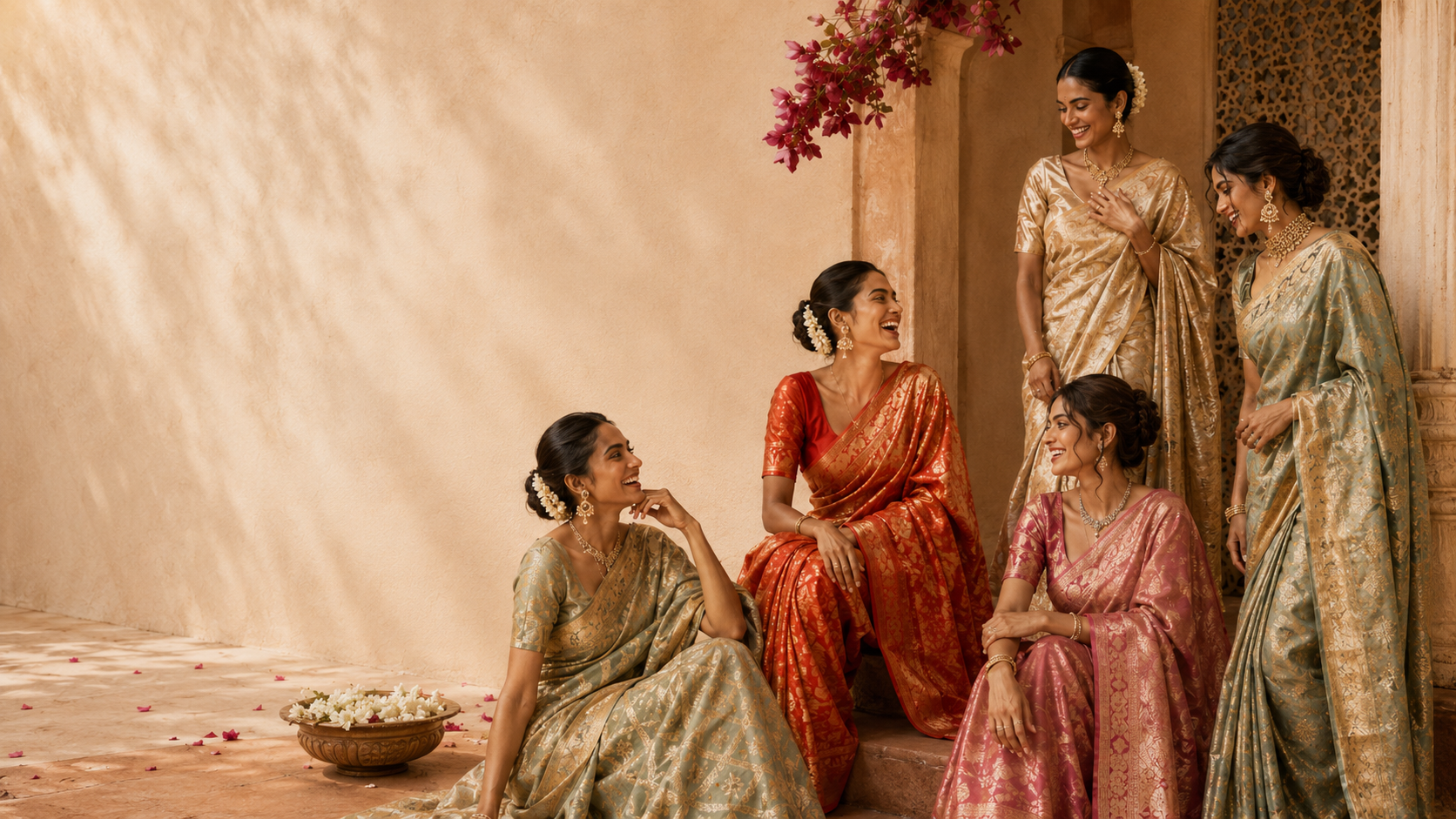
The right accessories and blouse design can complement the traditional appearance of a Gadwal silk saree.
For weddings and festive occasions, consider pairing a richly decorated saree with traditional gold jewellery.
A contrasting blouse can highlight the border colour and create a coordinated outfit.
If your saree features detailed zari work, simple accessories can allow the fabric and weaving to remain the main attraction.
For lighter designs, consider delicate jewellery, a comfortable blouse and simple footwear.
Your final styling choices should reflect the occasion and your personal preferences.
How to Care for Gadwal Silk Sarees
Proper care helps preserve the fabric, colour and appearance of your saree.
Handwoven silk sarees, especially those featuring decorative zari work, should be handled carefully during cleaning and storage.
1. Follow the Recommended Cleaning Instructions
Always check the care label before cleaning your saree.
For pure silk Gadwal sarees, professional dry cleaning is generally recommended. Avoid using ordinary detergents or attempting to remove difficult stains at home without checking the fabric's care requirements.
2. Store Your Saree Carefully
Fold your saree neatly and keep it in a clean, dry storage area.
Use a breathable cotton or muslin bag instead of an airtight plastic cover.
Avoid storing silk sarees in damp locations, as moisture can damage delicate fabrics.
3. Avoid Direct Sunlight
Extended exposure to strong sunlight may affect fabric colours.
After wearing your saree, allow it to air in a shaded, well-ventilated space before storing it.
Avoid leaving the fabric in direct sunlight for long periods.
4. Protect the Zari Work
Zari detailing requires careful handling.
Avoid spraying perfume or other chemical products directly onto the saree.
When folding, handle heavily decorated sections gently. Periodically air your saree and refold it to prevent permanent creases. These practices are consistent with care guidance provided by specialist Gadwal silk retailers.
Frequently Asked Questions About Gadwal Silk Sarees
1. What is special about a Gadwal silk saree?
Gadwal silk sarees are recognised for their traditional weaving techniques, contrasting borders, decorative pallus and beautiful colour combinations. Their distinctive interlocking construction is an important feature of traditional Gadwal craftsmanship.
2. Are all Gadwal sarees made from pure silk?
No. Traditional Gadwal sarees commonly combine a cotton body with silk borders and a silk pallu. Pure silk varieties are also available. Always confirm the fabric composition before purchasing.
3. Can I wear a Gadwal saree to a wedding?
Yes. Gadwal sarees with rich colours, decorative pallus and detailed zari borders are popular choices for traditional weddings and other celebrations.
4. How can I identify an authentic Gadwal saree?
Look for clear information about the weaving origin, fabric composition and construction. Traditional interlocking joints are an important feature. Relevant certification, reliable seller information and detailed product descriptions can provide additional assurance.
5. How should I store my Gadwal silk saree?
Store it in a breathable cotton or muslin bag in a cool, dry location. Avoid direct sunlight, moisture and prolonged storage in airtight plastic packaging.
Conclusion
Gadwal silk sarees combine traditional Indian craftsmanship with a wide variety of colours, patterns and border designs. Understanding the different fabrics, weaving techniques and care requirements can help you choose a saree that suits your style and occasion.
Whether you prefer a richly decorated saree for a wedding or a simple traditional design for a family celebration, choosing the right fabric and checking the product details are important steps.
Explore the traditional saree collection at Kaushah and discover designs that complement your personal style. If you are planning to buy Gadwal silk sarees, consider your preferred fabric, border style and occasion before selecting the perfect addition to your ethnic wardrobe.
Woven in legacy, draped in you.
Keep reading
More from the Journal


Our Story Continues
A legacy reimagined for the woman of today.
Silk and cotton, organza and georgette, heritage weaves and contemporary design, so every woman can find the drape that feels made for her.